
TRANSPORTATION
Wireless Infrastructure for Airports, Ports, and Transportation Operations
CTS designs, deploys, and supports wireless infrastructure for terminals, airfields, ports, and other operational transportation environments. We bring Wi-Fi, private cellular, in-building cellular, Public Safety DAS, and ongoing operations together around each site’s needs.
20,000+ Wireless Projects | Airport & Port Experience | Indoor & Outdoor Coverage | Design Through Ongoing Support


Airport Experience at Scale
CTS has performed work at 11 of the 25 busiest U.S. airports, based on 2025 passenger enplanements.

Private Cellular for Airport Operations
CTS’s airport private cellular experience at MSP, Tulsa International, and Tulsa Riverside Airport.

24/7 Monitoring
CTS’s NOC provides round-the-clock monitoring and operational support for critical wireless infrastructure.

Support Across the Lifecycle
CTS can carry projects from assessment and design through deployment, operations, and ongoing support.
QUICK ANSWER
What wireless infrastructure do airports and transportation facilities need?
Airports, ports, rail facilities, and airfields may need a combination of wireless systems. Cellular DAS supports carrier coverage for passengers and staff; private cellular can support operational devices and mobile teams; Wi-Fi serves passenger, staff, and business applications; and Public Safety DAS supports first responder radio communications. CTS assesses the facility, existing systems, coverage conditions, devices, and operational needs to recommend the right mix.
CELLULAR DAS
Cellular DAS for Reliable Airport and Transportation Coverage
Airports, transit stations, ports, and other large transportation facilities can be difficult for outdoor carrier signals to reach. Cellular DAS distributes carrier signals through a network of in-building antennas, extending public cellular coverage to interior areas where signal is limited.
CTS evaluates RF conditions, facility layout, existing infrastructure, coverage needs, and carrier requirements to determine the right DAS approach. When the design calls for a dedicated signal source, CTS can incorporate Forté Neutral Source to provide the carrier signal that powers the DAS.

PRIVATE CELLULAR NETWORKS
Private Cellular Networks for Airport Operations
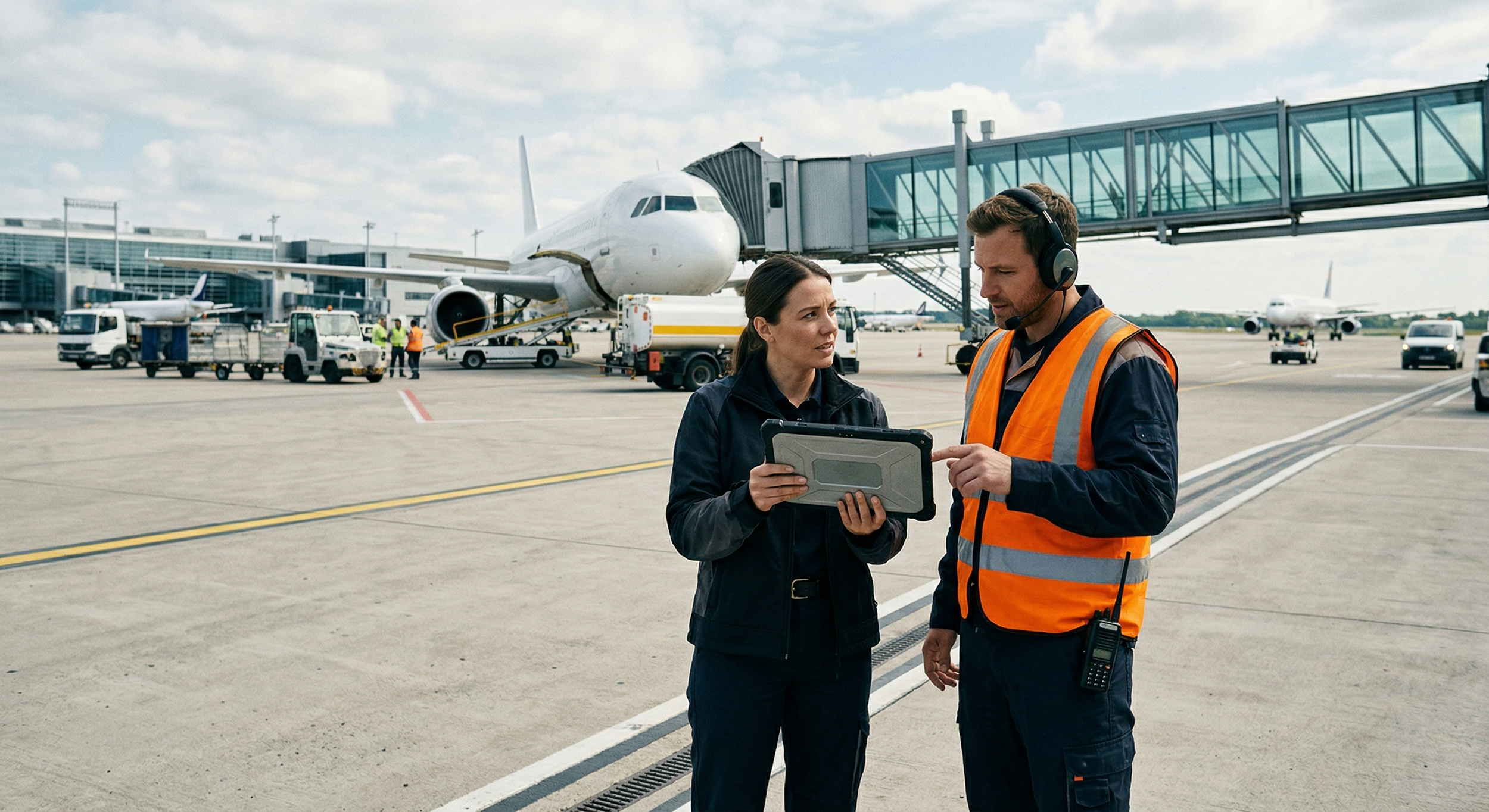
Private cellular networks can provide dedicated connectivity for operational devices and mobile teams across airports. Depending on the application and site design, they can support workforce mobility, connected equipment, IoT, and automation in designated operational areas.
CTS evaluates operational workflows, devices, coverage needs, and security requirements to determine where private cellular fits alongside Wi-Fi and public cellular DAS. Airport experience includes a private cellular proof of concept at Minneapolis–Saint Paul International Airport and projects at Tulsa International and Tulsa Riverside Airport.
See the Tulsa International Airport case study to learn how CTS deployed private LTE for airport operations.
WI-FI
Wi-Fi for Passenger, Staff, and Business Connectivity
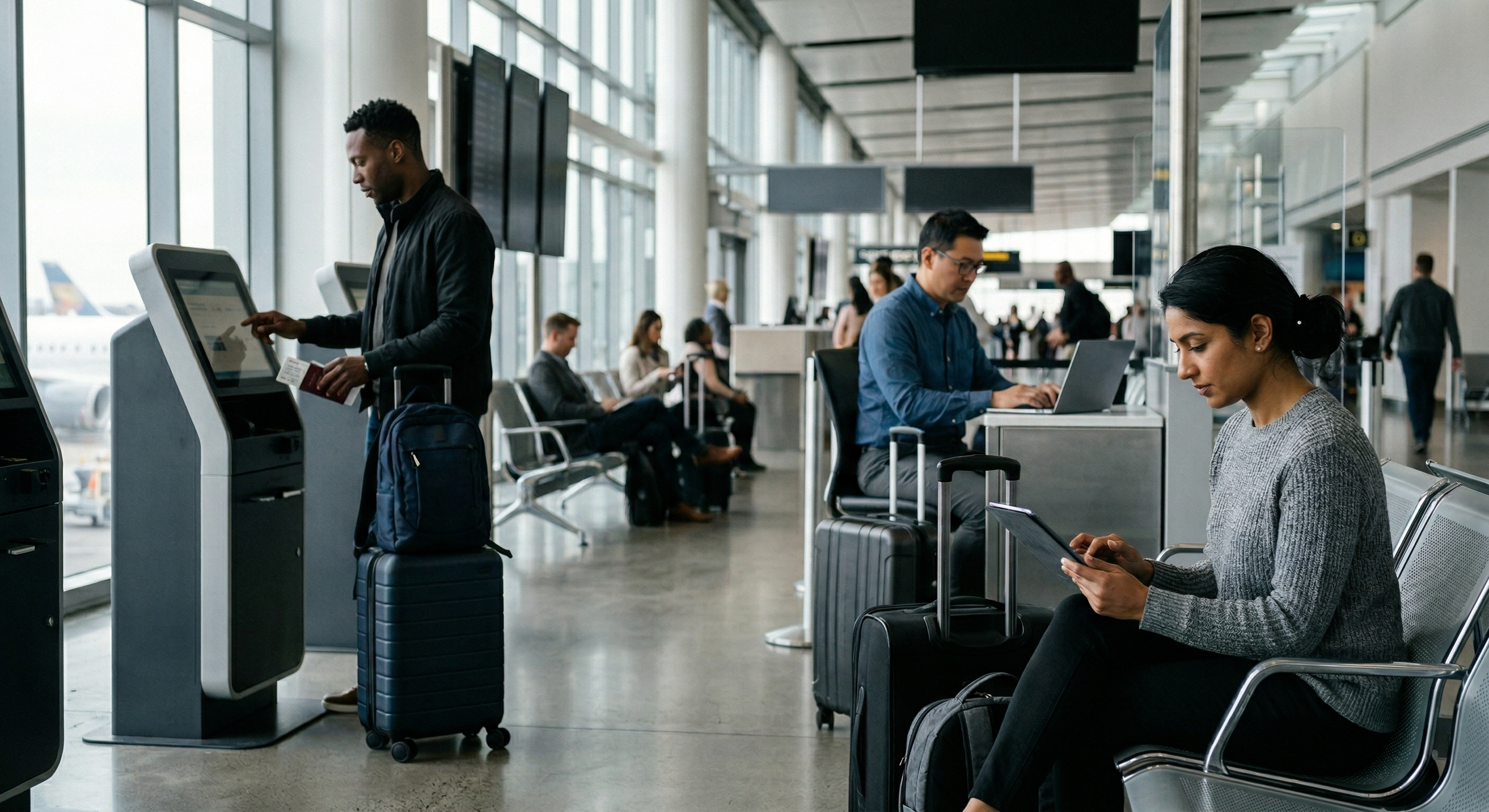
Airport Wi-Fi supports more than passenger internet access. Airports use it for staff mobility, tenant and concession networks, business applications, and connected devices. Coverage, capacity, security, roaming, and management needs vary across terminals, gates, retail areas, offices, and operational spaces.
CTS designs, deploys, and manages enterprise Wi-Fi around facility layout, users, applications, and network requirements. Wi-Fi can work alongside cellular DAS and private cellular, with each network planned for its intended users and applications.
PUBLIC SAFETY DAS
Public Safety DAS for Airport and Transportation Facilities
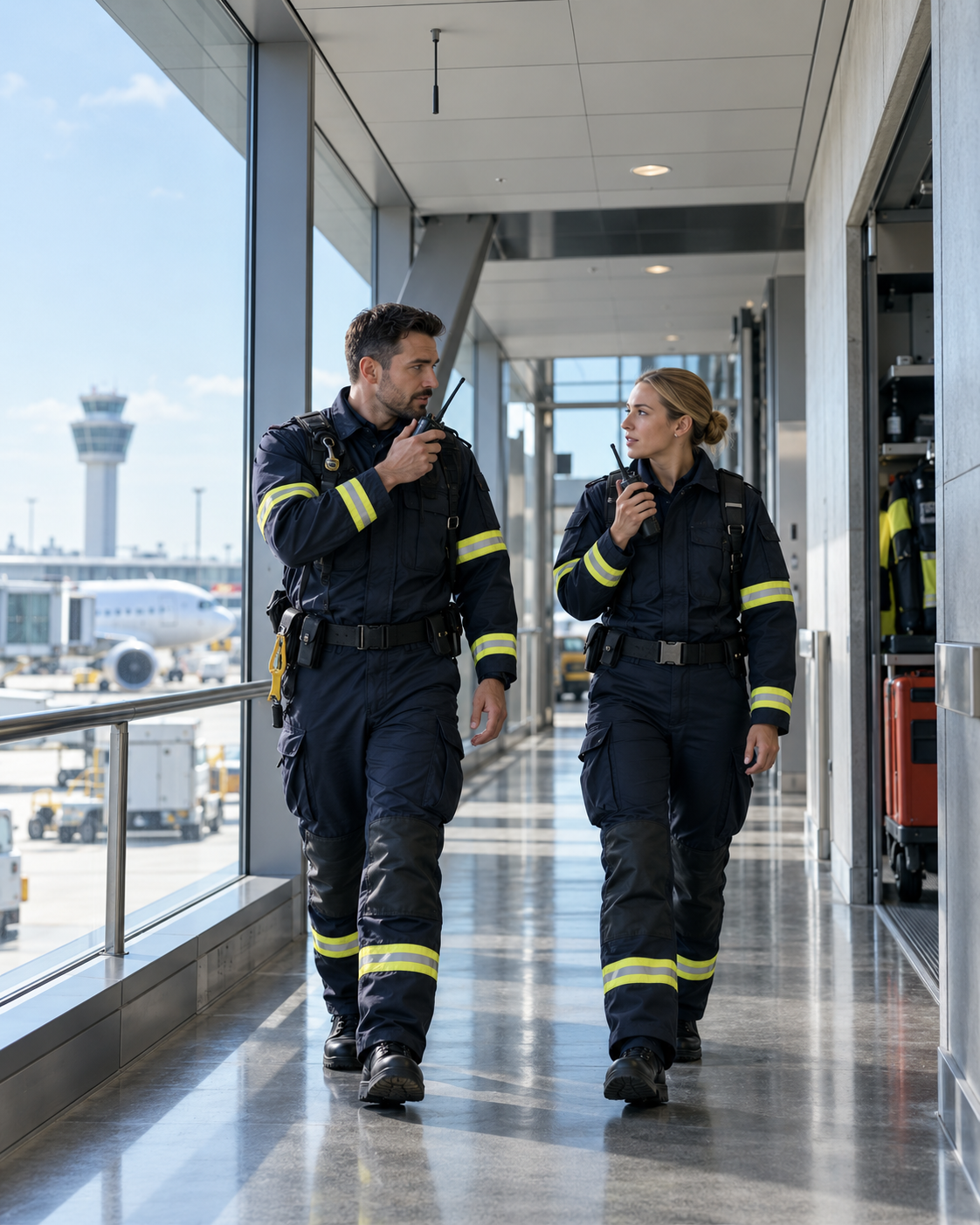
Airports, rail facilities, tunnels, parking structures, and other large transportation spaces can weaken emergency responder radio signals. Public Safety DAS, also known as an ERRCS, can extend in-building radio coverage to areas where testing identifies gaps.
CTS provides RF testing, system design, installation, commissioning, and support, with coordination with the local Authority Having Jurisdiction (AHJ). Requirements and acceptance criteria vary by jurisdiction and site, so testing and AHJ coordination help determine what a facility needs.
Selected Transportation Project Experience
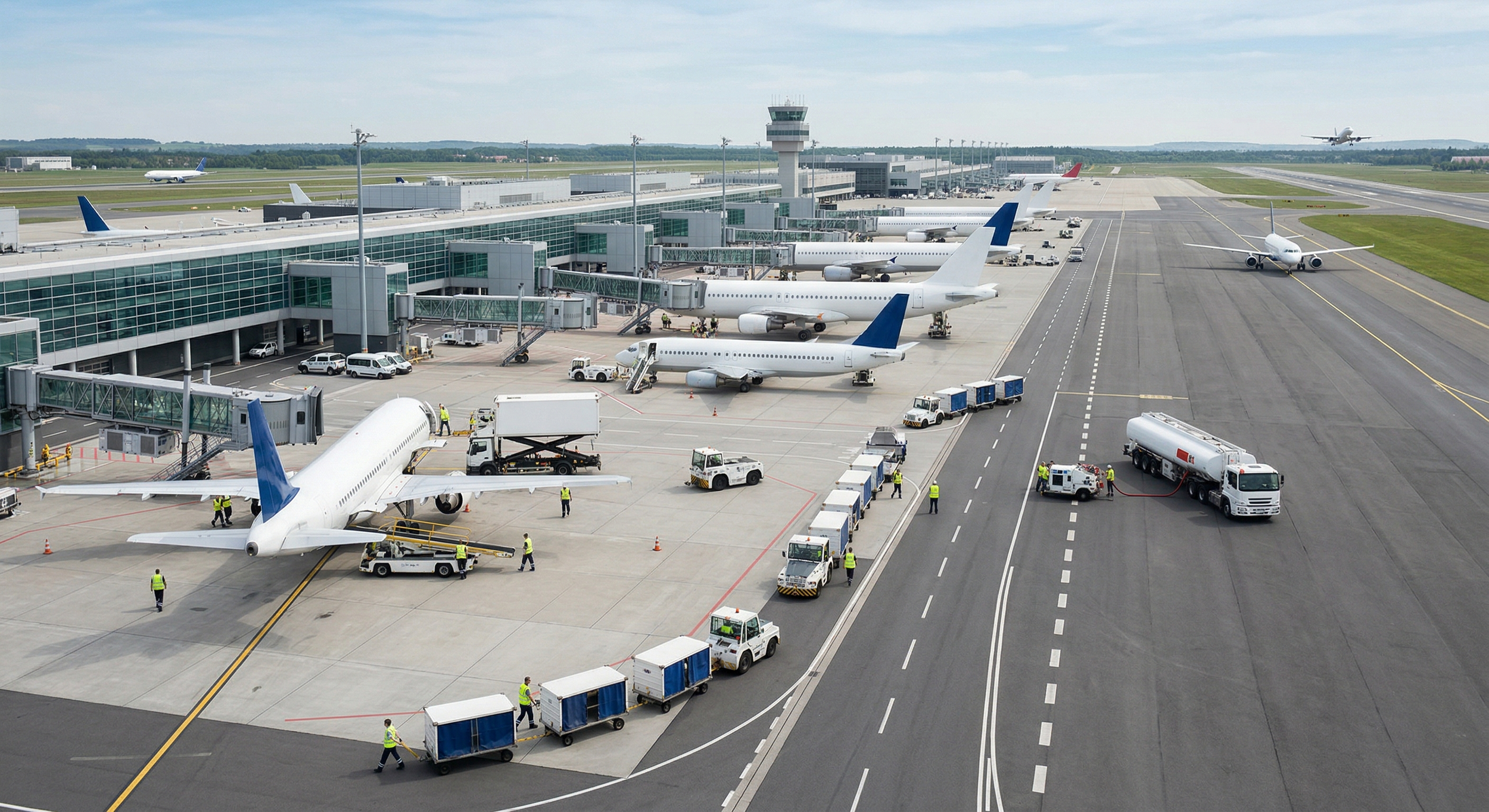
CTS’s transportation experience spans major airports, regional airports, and public-sector port and city projects.
Major airports: Washington Dulles International Airport, Ronald Reagan Washington National Airport, and San Francisco International Airport.
Regional airports: GSP, John Wayne Airport, and Peoria Airport.
Port and city projects: Port of Seattle and City of SeaTac.
Lifecycle and Operations Support for Transportation Networks
Airport and transportation networks span terminals, airfields, ports, and operational spaces. CTS supports the full wireless lifecycle, from engineering and deployment to network operations and ongoing maintenance.

Design
We assess coverage, capacity, applications, and existing infrastructure to engineer the right mix of wireless solutions for each facility.

Build
We install, integrate, test, and commission wireless infrastructure for transportation operations.

Run
CTS provides managed network operations and 24/7 NOC monitoring to help maintain visibility into network health and performance.

Support
Our teams provide maintenance, troubleshooting, repair, and optimization as network and facility needs change.
REAL-WORLD RESULTS
How CTS Deploys Private Cellular Networks for Airport Connectivity
Private LTE (CBRS) Network Deployment at Tulsa International Airport
Tulsa International Airport needed a secure, high-performance wireless infrastructure to support critical airport operations, tenant connectivity, and future smart airport initiatives. Legacy connectivity solutions, including Wi-Fi, lacked the reliability, coverage, and security required for mission-critical aviation environments.
CTS partnered with the Tulsa Airports Improvement Trust (TAIT) to design and deploy a private LTE cellular network using CBRS spectrum, purpose-built for airport operations. This private cellular network delivers dedicated, carrier-grade wireless connectivity across both airside and landside environments.
CTS conducted a comprehensive assessment of coverage gaps, device requirements, and operational workflows to architect a scalable private wireless solution. The result is a secure, high-capacity private cellular network that supports real-time communications, mobile workforce enablement, and IoT applications across the airport.
Unlike traditional Wi-Fi, the CTS private LTE network provides consistent coverage, improved mobility, and enhanced security, enabling seamless connectivity for airport staff, systems, and devices. The deployment also establishes a future-ready platform for advanced aviation use cases such as automation, asset tracking, and smart infrastructure.
CTS continues to provide ongoing support and optimization, ensuring the private cellular network evolves with the airport’s growing digital and operational demands.
Key Outcomes
Deployed a private LTE (CBRS) network for secure, dedicated airport connectivityImproved wireless coverage and reliability across airside and landside operationsEnabled mission-critical communications and mobile workforce productivityReduced dependence on traditional Wi-Fi for operational use casesEstablished a scalable foundation for smart airport and IoT initiatives
With CTS’s private cellular network in place, Tulsa International Airport now benefits from a secure, scalable, and high-performance wireless infrastructure that supports aviation operations today while enabling future digital transformation.
Transportation Connectivity Resources
Explore wireless planning for transportation facilities and a real-world airport private cellular proof of concept.
-

Airport Connectivity White Paper
Review approaches for reliable connectivity across airport and transportation environments.
-

MSP Private Cellular Proof-of-Concept Case Study
Learn what the Minneapolis–Saint Paul Airport trial demonstrated about private wireless for airport operations.
Transportation Wireless FAQs
-
Facilities may use cellular DAS, private cellular, Wi-Fi, public safety DAS, and wired network infrastructure. The right mix depends on the site, users, applications, coverage needs, and existing systems.
-
Cellular DAS extends public carrier service inside a facility. Private cellular provides a dedicated network for an organization’s devices and operational applications. Some facilities use both.
-
Not necessarily. Wi-Fi and private cellular can support different devices and use cases. Network planning should account for the facility’s applications, coverage requirements, device ecosystem, and operating model.
-
Public safety DAS helps extend first responder radio coverage indoors where testing identifies gaps. Requirements vary by facility and the authority having jurisdiction.
-
Yes. CTS can assess existing infrastructure and provide network operations, maintenance, troubleshooting, repairs, and optimization.
Plan Connectivity Around Your Transportation Operations
From passenger coverage to private networks for airport operations and first responder communications, CTS can help assess your facility’s needs and plan the right wireless infrastructure.